Description
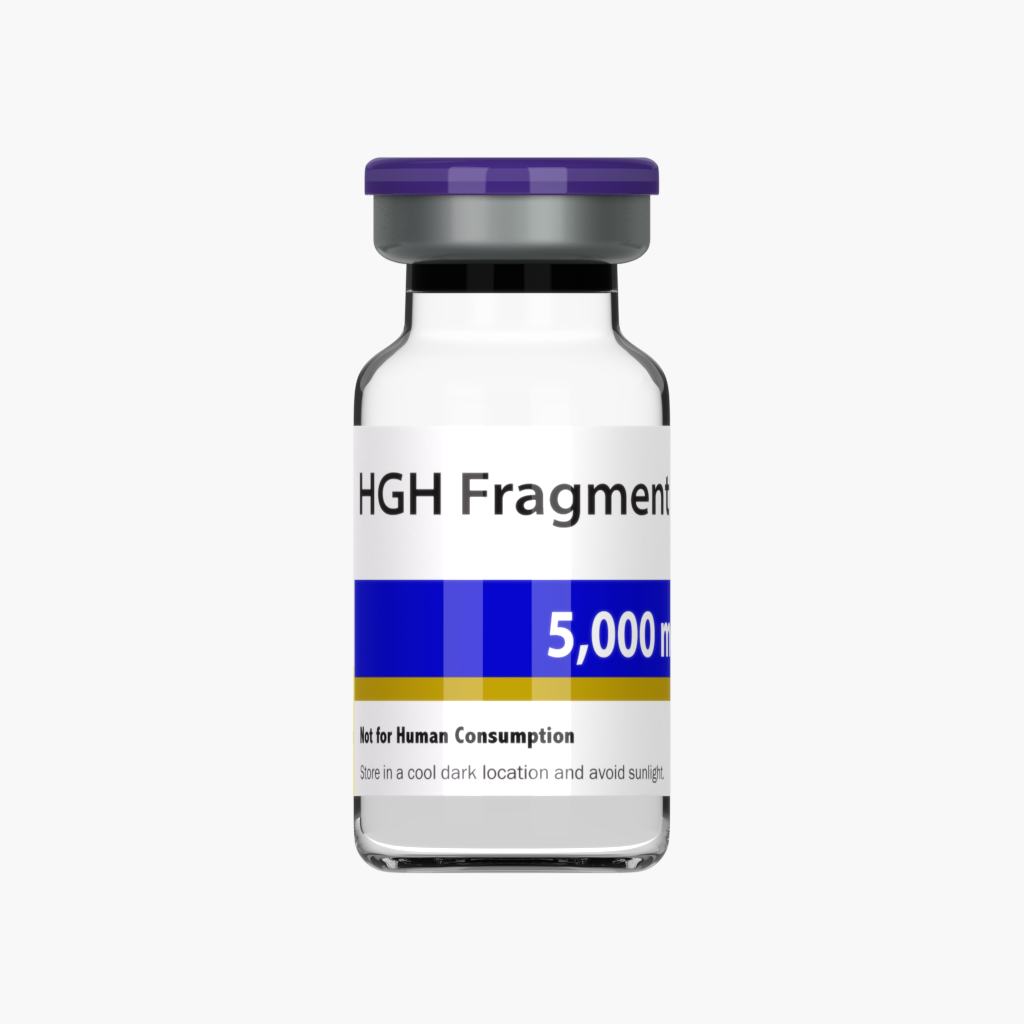
HGH Fragment 176-191 (Human Growth Hormone Fragment 176-191)
What it does:
HGH Fragment 176-191 is a modified fragment of the human growth hormone (HGH) molecule that corresponds to amino acids 176 through 191 of the full peptide. It is designed to target fat metabolism without significantly affecting blood glucose levels or stimulating overall growth-related pathways associated with full-length HGH. It works by promoting lipolysis (fat breakdown) and inhibiting lipogenesis (fat storage), making it primarily associated with fat-loss research and body composition support.
Normal Applications:
HGH Fragment 176-191 is primarily used in research and experimental performance settings focused on fat reduction and physique enhancement. Unlike full-length growth hormone, it is not associated with significant increases in muscle mass or systemic growth effects. It is not FDA-approved for general medical treatment and is typically marketed for research purposes only.
Common Side Effects:
Reported side effects are generally mild but may include injection site irritation, redness, or swelling. Some individuals may experience headaches or mild fatigue. Compared to full HGH, it is less likely to affect blood sugar levels; however, improper use or high doses may still influence metabolic processes. Long-term safety data is limited.
Administration Recommendations & Ideal Dosages:
HGH Fragment 176-191 is typically administered via subcutaneous injection. Common research protocols range from 250–500 mcg per day, often divided into two doses, with some protocols extending higher depending on goals. It is frequently taken in a fasted state to support lipolytic activity. Proper sterile reconstitution, storage, and medical oversight are strongly recommended due to limited long-term safety research.