Description
**Gonadorelin Research Overview**
—
**1. What it does**
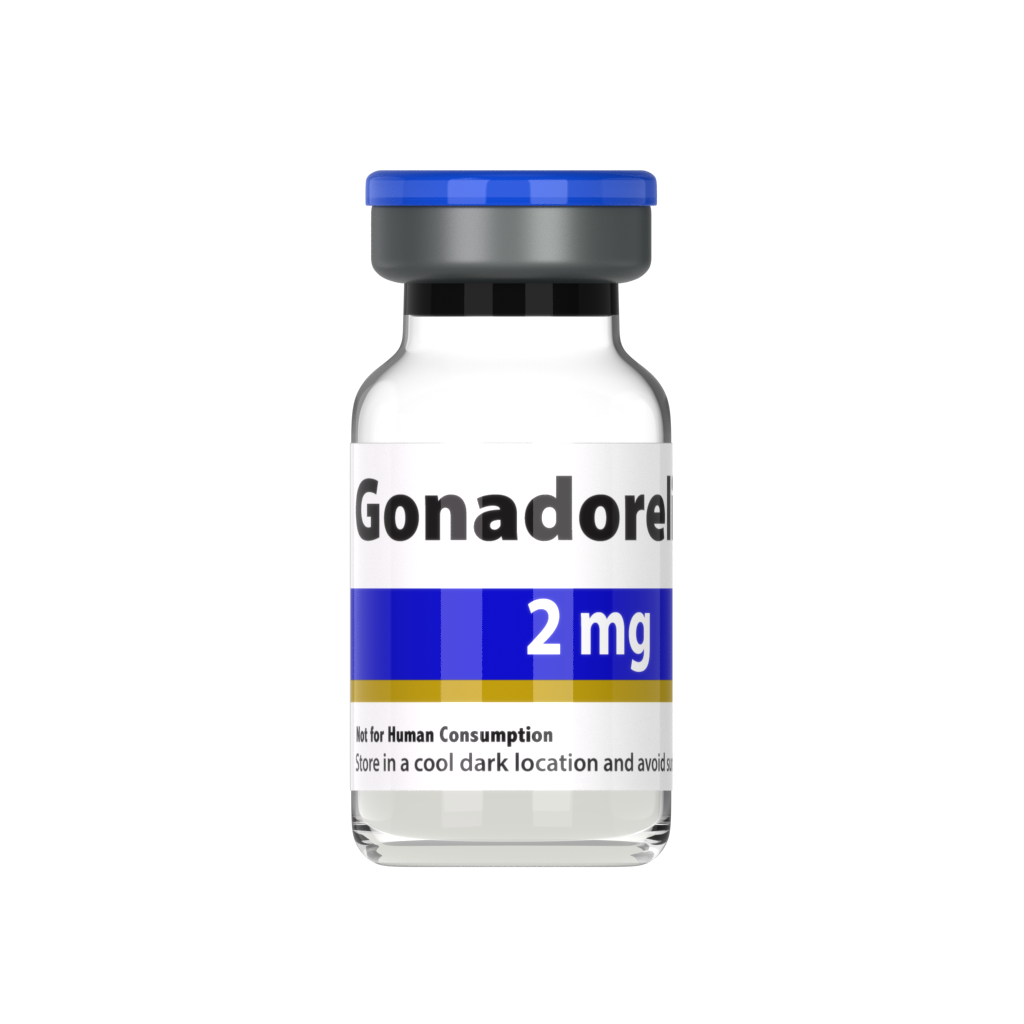
Gonadorelin is a synthetic version of naturally occurring gonadotropin-releasing hormone (GnRH). It stimulates the anterior pituitary gland to release luteinizing hormone (LH) and follicle-stimulating hormone (FSH), which are critical for proper reproductive function, including testosterone production in males and ovulation in females.
—
**2. What are the main reported benefits**
– Stimulation of LH and FSH secretion
– Support for natural testosterone production in men
– Induction of ovulation in women
– Restoration of fertility functions in research models
– Diagnostic use to assess pituitary and hypothalamic function
—
**3. What are its normal applications**
– Research into hypogonadism and infertility treatments
– Studies on delayed puberty and reproductive hormone deficiencies
– Diagnostic testing of pituitary function (GnRH stimulation test)
– Investigations into hormone replacement therapy protocols
—
**4. What are its common side effects**
Reported side effects include:
– Headache
– Nausea
– Flushing (feeling of warmth)
– Abdominal discomfort or cramping
– Mild injection site irritation
Adverse effects are generally mild and transient.
—
**5. What is the recommended administration or dosage**
– **Typical Dosage**: 100 mcg to 200 mcg per injection (research protocols vary)
– **Administration Route**: Subcutaneous or intravenous injection
**Timing:**
– Can be administered as a single bolus injection for diagnostic purposes or as a pulsatile infusion for therapeutic research
**Preparation:**
– Gonadorelin is supplied as a lyophilized powder and must be reconstituted with sterile or bacteriostatic water before administration.
*Note:* In fertility-related research, frequent pulsatile dosing may be necessary to mimic natural GnRH release patterns.
—