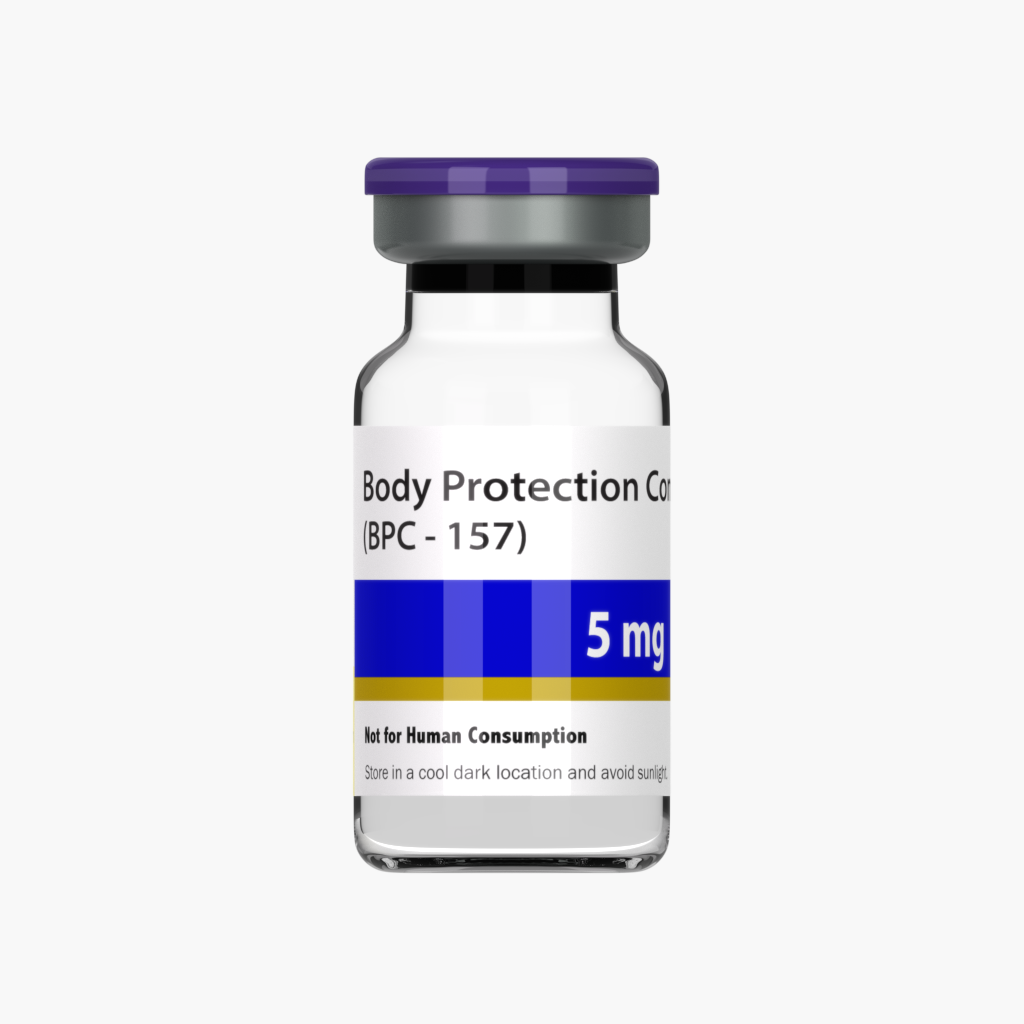
Description
What it does
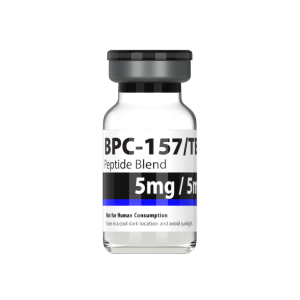
BPC-157 (Body Protection Compound-157) is a synthetic peptide derived from a protein found in the human stomach. It is classified as a pentadecapeptide (composed of 15 amino acids). BPC-157 is known primarily for its regenerative and protective effects across various tissues, including muscles, tendons, ligaments, the gastrointestinal (GI) tract, and even the brain. It promotes angiogenesis (the formation of new blood vessels), enhances collagen production, and accelerates tissue repair. Mechanistically, BPC-157 is believed to work by modulating the nitric oxide system, growth hormone pathways, and influencing various genes associated with inflammation and healing.
What are the main reported benefits
Reported benefits of BPC-157 based on preclinical studies, anecdotal evidence, and limited human case reports include:
– Accelerated wound healing (muscles, tendons, ligaments, and skin)
– Reduced inflammation throughout the body
– Protection of the gastrointestinal tract, such as healing ulcers and mitigating leaky gut
– Tendon and ligament repair; improvement in recovery from sports injuries
– Neuroprotective effects, potentially aiding in recovery from brain injuries or nerve damage
– Joint health support, improving joint mobility and reducing discomfort
– Cardiovascular protection, including protecting blood vessels from damage
– Potential support for healing of bone fractures and faster recovery
– Reduced systemic oxidative stress
What are its normal applications
BPC-157 is typically used in the following settings:
– Research for musculoskeletal injuries, including tendon, ligament, and muscle tears
– Gastrointestinal disorders, including ulcers, Crohn’s disease, and irritable bowel syndrome (IBS)
– Joint-related issues (e.g., arthritis, post-surgical recovery)
– Athletic injury recovery (strains, sprains, overuse injuries)
– Neurological research related to traumatic brain injury (TBI) or peripheral nerve regeneration
– Experimental use for inflammatory disorders
What are its common side effects
In the available animal studies and limited human use reports, BPC-157 appears to have a favorable safety profile. However, because large-scale human clinical trials are lacking, reported side effects are mostly anecdotal and may include:
– Mild nausea
– Temporary dizziness or lightheadedness
– Injection site reactions (e.g., redness, swelling, irritation if administered subcutaneously)
– Changes in blood pressure (rare and typically minor)
– Headache (rare)
Generally, side effects are considered rare and mild. However, unknown risks remain due to the lack of extensive clinical testing.
What is the recommended administration or dosage
Because BPC-157 is a research chemical and not an FDA-approved therapeutic, there is no officially approved dosing regimen. However, common research-use practices include:
– Subcutaneous (under the skin) injection near the injured area
– Intramuscular (directly into the muscle) near the site of injury
– Oral administration (some experimental protocols use oral ingestion, particularly for GI conditions)
Typical research dosages:
– 200 mcg to 500 mcg per day
– Some protocols suggest splitting the dose into two administrations per day (morning and evening)
Duration:
– 2 to 4 weeks of daily administration is common for injury recovery protocols, depending on the severity of the injury.
Preparation:
– BPC-157 typically comes as a lyophilized (freeze-dried) powder and must be reconstituted with bacteriostatic water before use.