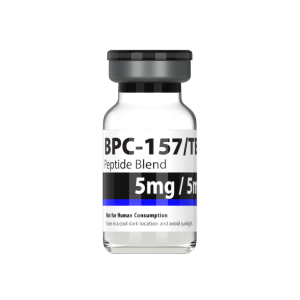
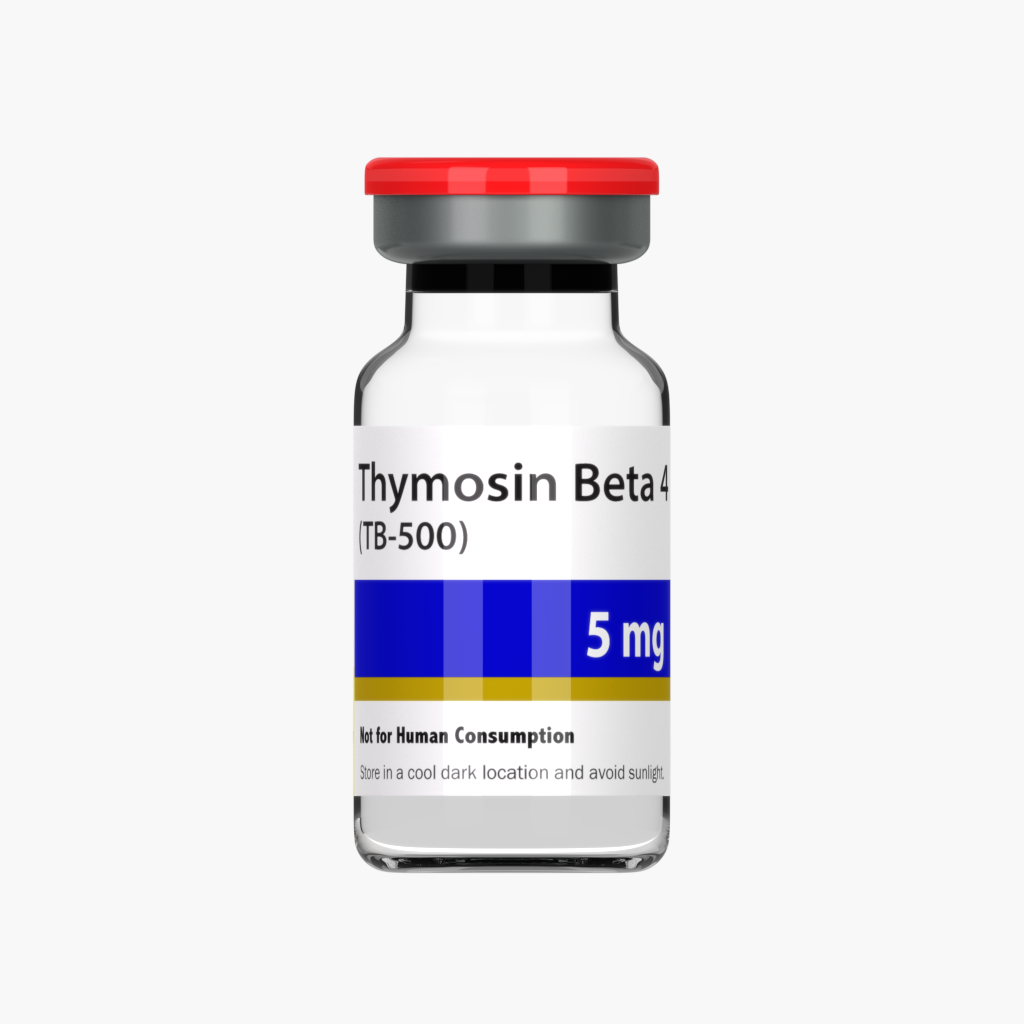
Description
**TB-500 Research Overview**
—
**1. What it does**
TB-500 is the synthetic version of a portion of a naturally occurring protein called thymosin beta-4. This peptide is critical in tissue regeneration, cell migration, and wound healing. TB-500 promotes angiogenesis (blood vessel formation), regulates actin (a vital component of cellular structure and movement), and reduces inflammation, which enables faster healing of muscles, tendons, and ligaments.
—
**2. What are the main reported benefits**
– Accelerated healing of injuries (muscle, tendon, ligament, and skin)
– Enhanced flexibility and reduction in muscle tightness
– Increased hair growth (anecdotally reported)
– Reduced inflammation
– Improved endurance and strength
– Promotion of new blood vessel formation (angiogenesis)
– Potential cardiac protection post-heart injury (animal models)
—
**3. What are its normal applications**
– Injury recovery in athletes (muscle tears, tendonitis, ligament injuries)
– Research on cardiac tissue repair
– Experimental therapies for chronic inflammation and fibrotic conditions
– Animal research for wound healing and post-surgical recovery
—
**4. What are its common side effects**
Reported side effects are rare but may include:
– Lethargy or tiredness after administration
– Temporary headache
– Mild redness or irritation at injection site
– Potential for decreased blood sugar levels
No major adverse effects have been widely reported in research, but the absence of large-scale clinical trials means risks are not fully known.
—
**5. What is the recommended administration or dosage**
– **Typical Dosage**: 2.0 mg to 5.0 mg twice weekly
– **Administration Route**: Subcutaneous or intramuscular injection near the injury site
– **Duration**: Commonly administered for 4 to 6 weeks, followed by a maintenance phase (once weekly or biweekly)
TB-500 is generally supplied in lyophilized powder form and must be reconstituted with bacteriostatic water before use.
—