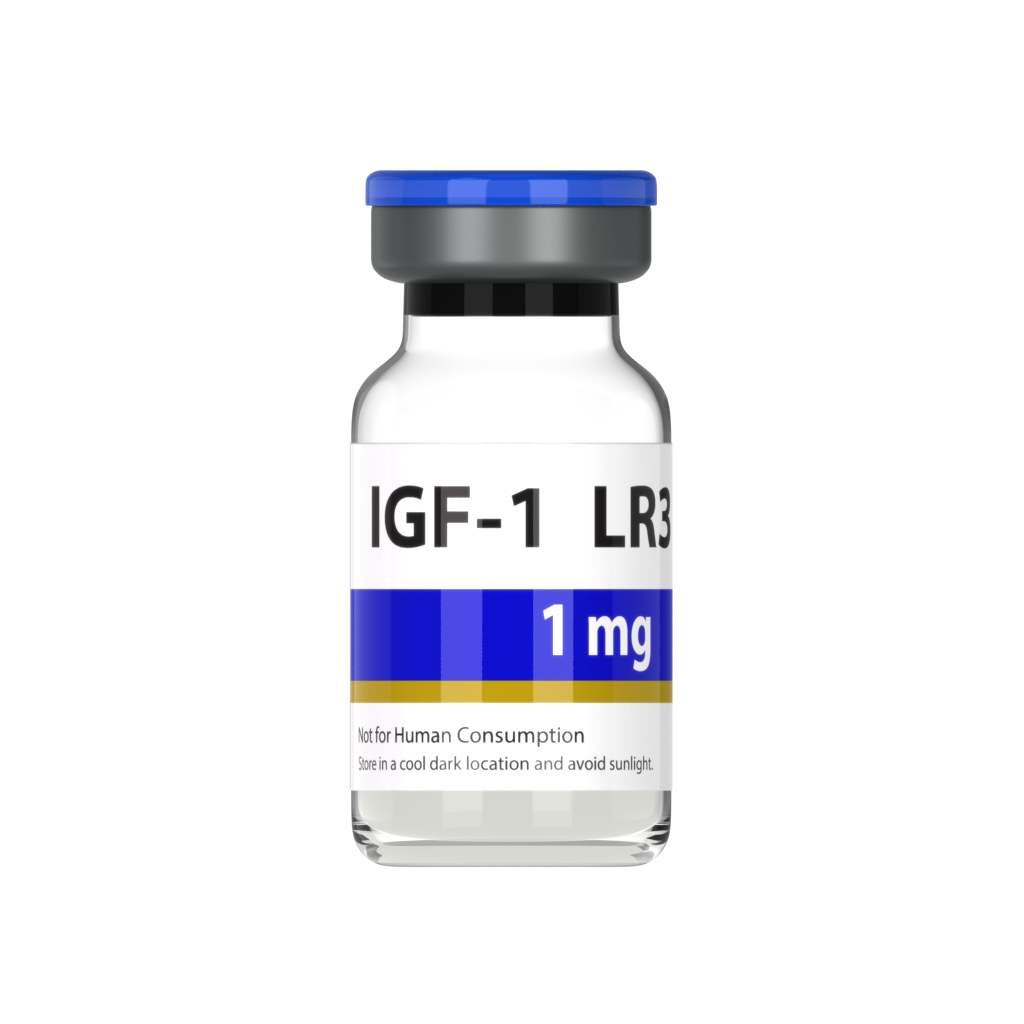
Description
**IGF-1 LR3 Research Overview**
—
**1. What it does**
IGF-1 LR3 (Insulin-like Growth Factor 1 Long Arg3) is a modified form of IGF-1, a protein similar in structure to insulin, that plays an essential role in childhood growth and anabolic processes in adults. The “LR3” modification increases its stability and extends its half-life in the bloodstream. IGF-1 LR3 stimulates muscle growth, enhances protein synthesis, and promotes the repair and regeneration of tissues.
—
**2. What are the main reported benefits**
– Enhanced muscle growth (hypertrophy)
– Accelerated muscle recovery post-exercise or injury
– Increased fat metabolism and reduced fat mass
– Improved tissue repair and regeneration
– Promotion of nerve cell repair
– Potential support for cartilage and bone growth
– Increased endurance and strength in athletic settings
—
**3. What are its normal applications**
– Research into muscle wasting diseases
– Experimental use for muscle and injury recovery
– Studies into aging, cognitive decline, and neurodegenerative conditions
– Sports performance research (athletic enhancement)
—
**4. What are its common side effects**
Potential side effects reported with IGF-1 LR3 include:
– Joint pain and muscle soreness
– Hypoglycemia (low blood sugar)
– Water retention and bloating
– Headache
– Possible development of insulin resistance with prolonged use
Long-term safety data is limited, and it is important to note that IGF-1 LR3 is not approved for human use outside of research.
—
**5. What is the recommended administration or dosage**
– **Typical Dosage**: 50 mcg to 150 mcg per day
– **Administration Route**: Subcutaneous or intramuscular injection, often near muscle groups targeted for growth
**Duration:**
– Cycles of 4 to 6 weeks are common in research protocols, followed by breaks to prevent desensitization.
**Preparation:**
– IGF-1 LR3 typically comes as a lyophilized powder and requires reconstitution with bacteriostatic water before use.
—