Description
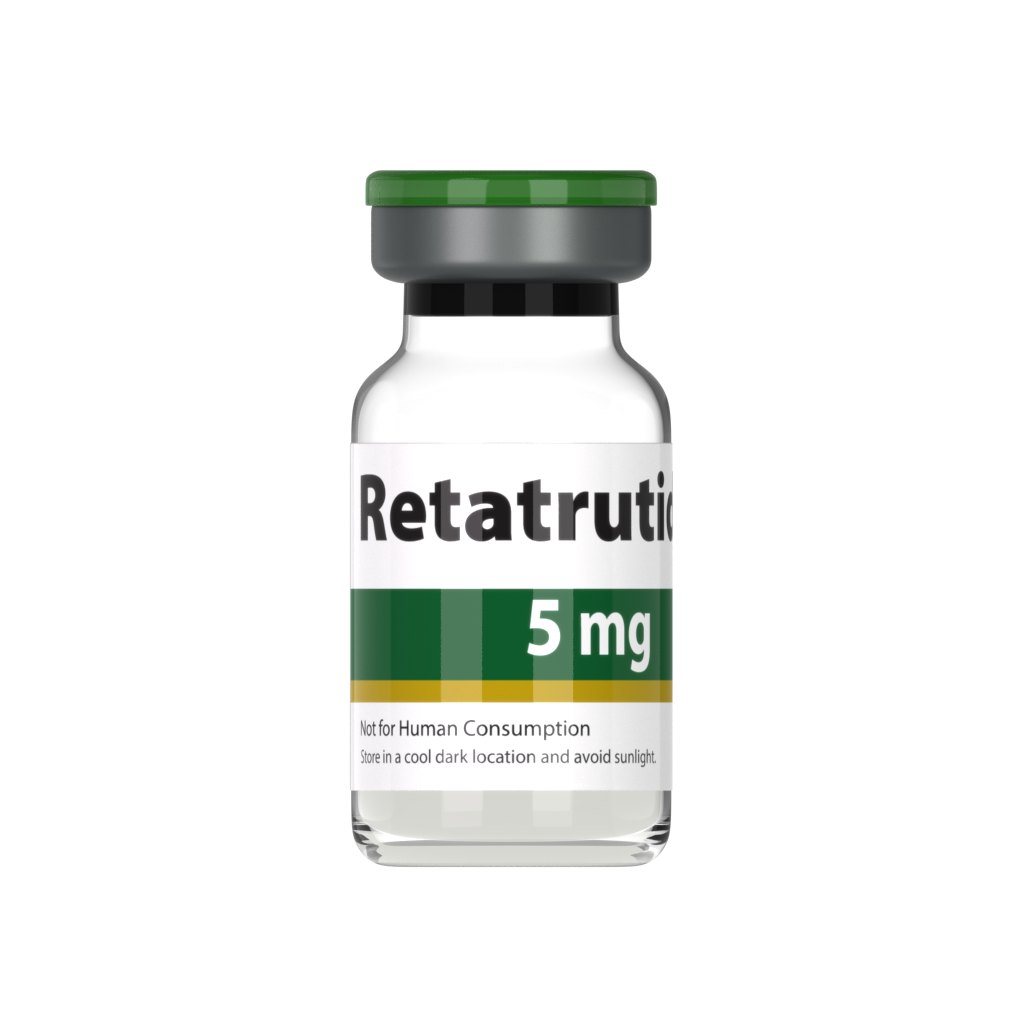
Retatrutide
1. What It Does
Retatrutide (LY3437943) is an investigational peptide developed by Eli Lilly, designed as a triple hormone receptor agonist targeting:
- GLP-1 (Glucagon-Like Peptide-1) Receptor: Enhances insulin secretion, suppresses appetite, and slows gastric emptying.
- GIP (Glucose-Dependent Insulinotropic Polypeptide) Receptor: Amplifies insulin release in response to glucose intake.
- Glucagon Receptor: Increases energy expenditure and promotes fat metabolism.
By simultaneously activating these receptors, Retatrutide aims to provide a multifaceted approach to weight management and metabolic regulation.
2. Main Reported Benefits
- Significant Weight Loss: In a 48-week phase 2 clinical trial, participants receiving Retatrutide experienced up to a 24% reduction in body weight, outperforming other weight-loss medications like semaglutide and tirzepatide.
- Improved Glycemic Control: Retatrutide has demonstrated clinically meaningful improvements in glycemic control, including reductions in HbA1c levels, in individuals with type 2 diabetes.
- Enhanced Metabolic Health: The drug has been associated with reductions in liver fat and improvements in lipid profiles, contributing to overall metabolic health.
- Potential Cardiovascular Benefits: Early data suggest that Retatrutide may reduce cardiovascular risk factors, though further research is needed to confirm these effects.
3. Normal Applications
Retatrutide is currently under investigation for the following applications:
- Obesity Management: Targeting individuals with obesity or overweight conditions, aiming to achieve substantial weight loss.
- Type 2 Diabetes Treatment: As an adjunct therapy to improve glycemic control in patients with type 2 diabetes.
- Metabolic Syndrome and NAFLD: Potential use in managing metabolic syndrome and non-alcoholic fatty liver disease (NAFLD) due to its effects on weight and liver fat reduction.
4. Common Side Effects
Clinical trials have reported the following side effects associated with Retatrutide:
- Gastrointestinal Issues: Nausea, vomiting, diarrhea, and constipation are the most frequently reported side effects, often occurring during the initial stages of treatment.
- Increased Heart Rate: Some participants experienced dose-dependent increases in heart rate, which peaked around 24 weeks and then declined.
- Cardiac Arrhythmias: Rare cases of cardiac arrhythmias, including supraventricular arrhythmias and prolonged QT syndrome, have been observed.
It’s important to note that most side effects were mild to moderate in severity and tended to diminish over time.
5. Recommended Administration or Dosage
Retatrutide is administered via subcutaneous injection, with dosing regimens varying based on individual response and tolerability. In clinical trials, dosing strategies included:
- Initial Dose: Starting at 2 mg once weekly.
- Dose Escalation: Gradual increases every 4 weeks to reach target doses of 4 mg, 8 mg, or 12 mg, depending on patient response and side effect profile.
As Retatrutide is still under investigation, specific dosing recommendations for intramuscular administration in humans are not established. All administration should be conducted under the supervision of healthcare professionals within clinical trial settings.
Disclaimer: Retatrutide is an investigational drug currently undergoing clinical trials. It is not approved for general clinical use, and its safety and efficacy profiles are still being evaluated. Any consideration of its use should be confined to controlled clinical trials under the guidance of qualified healthcare professionals.